A-Spec vs. Type S: Understanding Acura's Trim Variants
Table of Contents
A-Spec vs. Type S: Understanding Acura's Trim Variants
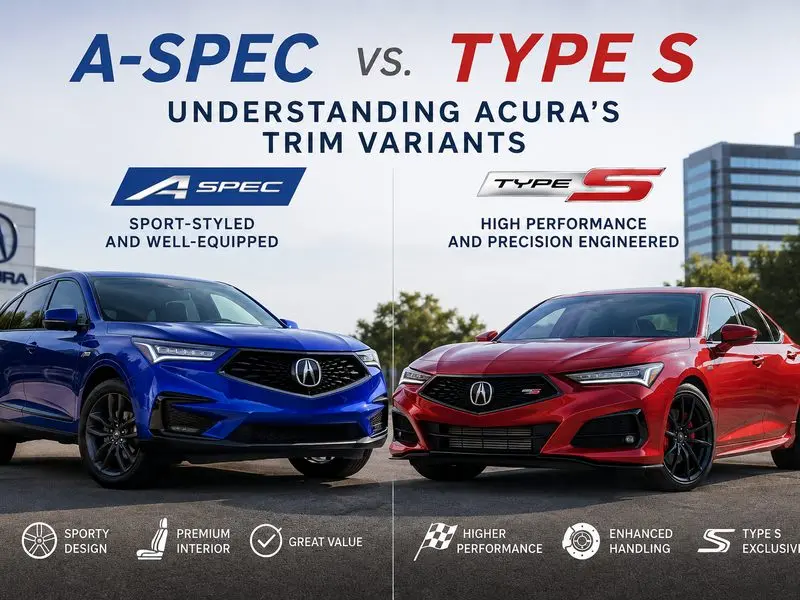
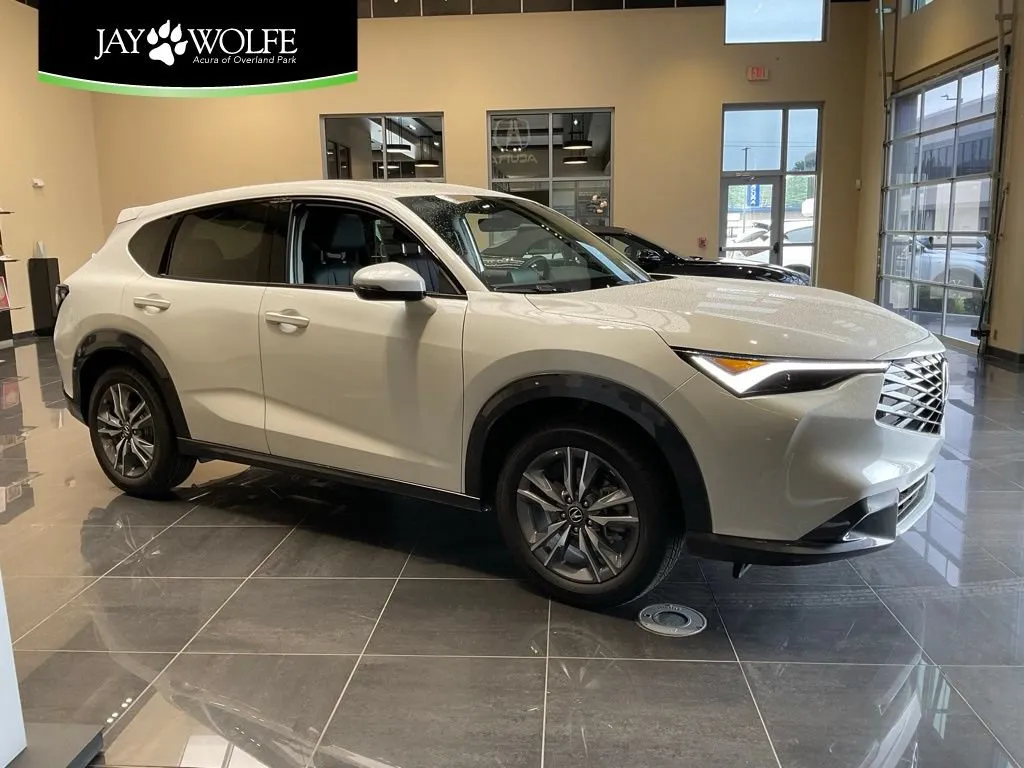
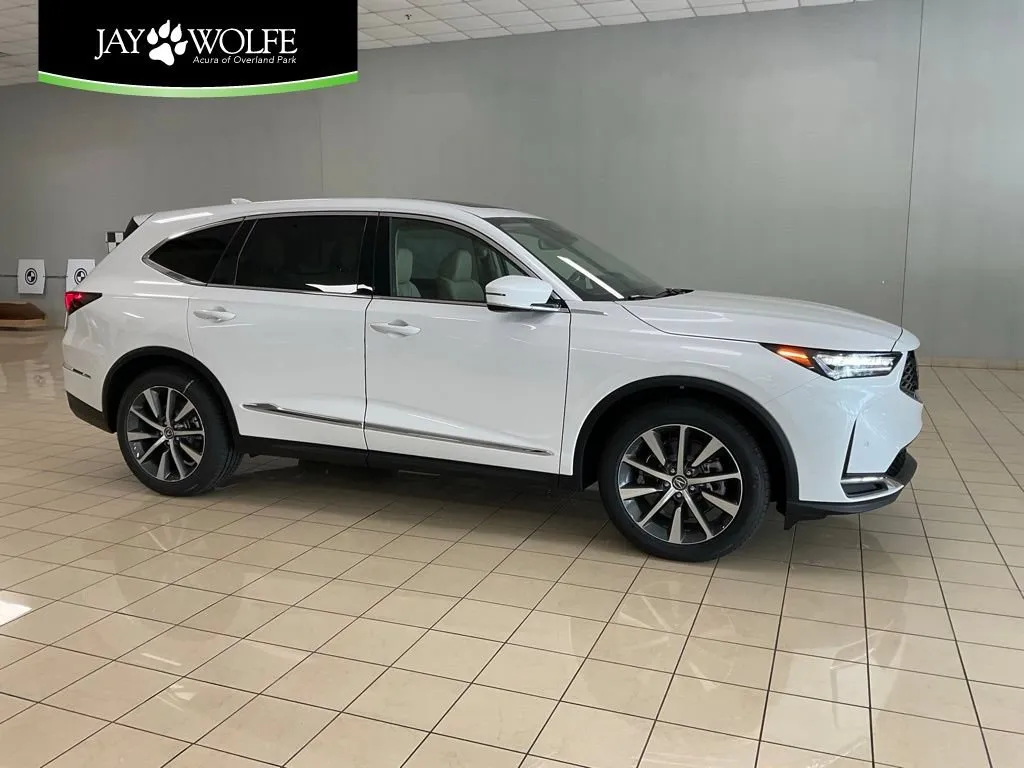
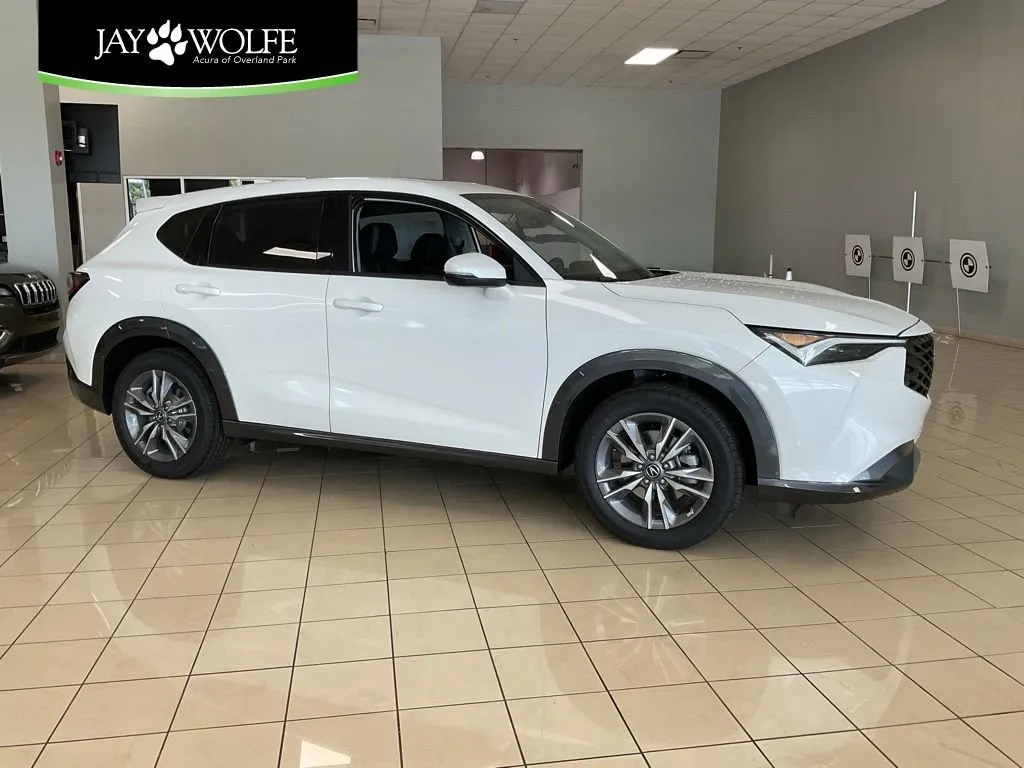
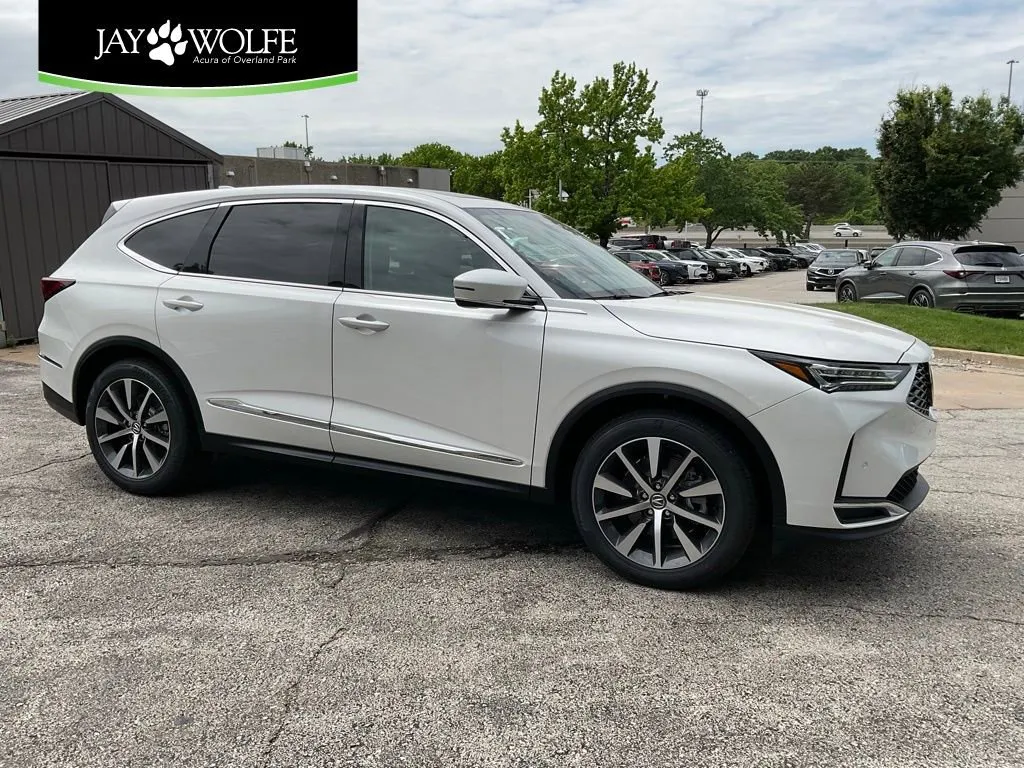
Walk onto an Acura lot and you'll see A-Spec badges and Type S badges, both wearing aggressive styling, both promising something sportier than the standard model. It's an easy mix-up, but these two trims represent genuinely different things. One is about looking the part. The other actually delivers it.
A-Spec: The Style-Forward Upgrade
A-Spec trims give you the visual language of performance without necessarily changing what's under the hood. Think aggressive front and rear fascias, unique wheel designs, sport seats with more aggressive bolstering, contrast stitching, and often a sport-tuned suspension for slightly sharper handling than base models.
That last part matters: A-Spec isn't purely cosmetic. Many Acura A-Spec trims do include genuine chassis tweaks, like firmer suspension tuning and quicker steering response, that make a real difference in how the car feels on a curvy road. But the engine underneath typically stays the same as other trims in the lineup. You're getting a sportier-feeling, sportier-looking version of the vehicle you already know, not a fundamentally different performance machine.
A-Spec exists across most of Acura's current lineup, including the Integra, TLX, RDX, MDX, and ADX, making it an accessible way to add visual and dynamic flair without stepping up to a completely different price bracket.
Type S: The Genuine Performance Trim
Type S is a different conversation entirely. This badge means Acura's engineers went into the engine bay, not just the design studio. Type S models get more horsepower, meaningfully more in most cases, along with upgraded brakes (typically larger Brembo units), adaptive damper suspension systems, and often specific chassis reinforcement to handle the added performance.
Take the MDX Type S as an example. It doesn't just look sportier than the standard MDX. It produces 355 horsepower compared to 290 in the standard model, rides on genuinely upgraded suspension hardware, and stops with larger, more capable brakes. The same pattern holds across the lineup: TLX Type S and Integra Type S both deliver substantial power increases and hardware upgrades over their A-Spec counterparts, not just styling differences.
The Real-World Difference
Get behind the wheel of an A-Spec model and you'll notice sharper handling, a more engaging seating position, and styling that turns heads. It's a genuinely enjoyable upgrade over a base trim.
Get behind the wheel of a Type S model and the difference is immediate and visceral. More power means real acceleration gains. Upgraded brakes mean more confident, fade-resistant stopping. Adaptive suspension means the car adjusts in real time to how you're driving. This isn't an upgraded feeling. It's a different performance category entirely.
Which One Should You Choose
If you want your Acura to look and feel sportier for daily driving, appreciate tighter handling on your commute, and don't need class-leading acceleration, A-Spec delivers excellent value. You're getting genuine style and a noticeably sharper driving experience without the price jump that comes with Type S.
If you're a genuine performance enthusiast who wants your Acura to compete with dedicated sports sedans and performance SUVs, Type S is worth the additional investment. The power, brakes, and suspension upgrades aren't marketing dressing. They fundamentally change what the vehicle can do.
The Bottom Line
Neither trim is the "wrong" choice. They simply serve different priorities. A-Spec gives you attitude and sharper dynamics at a more accessible price point. Type S gives you genuine, measurable performance for buyers who want the real thing. Understanding which one you're actually shopping for before you walk onto the lot saves you from comparing apples to oranges.
Curious how A-Spec and Type S actually feel different behind the wheel? Visit Jay Wolfe Acura of Overland Park to test drive both trims back-to-back and experience the real difference for yourself.